Why the 'Summer Off' Tradition May Be Costing Your Child an Entire Grade Level

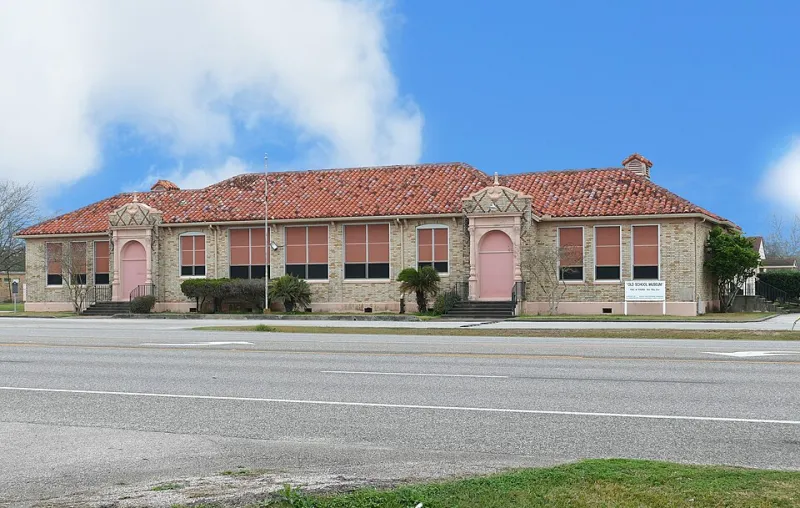
Photo: Maksim Sokolov (maxergon.com), CC BY-SA 4.0, via Wikimedia Commons
For generations, the American school calendar has followed a rhythm rooted not in pedagogy, but in agricultural history. The long summer recess—once necessary so that children could assist with harvest seasons—has persisted well into the twenty-first century, even as the economy, the workforce, and our understanding of how children learn have transformed dramatically. What has also persisted, however, is a troubling consequence: summer learning loss, commonly referred to as the "summer slide."
According to research published by the National Summer Learning Association, students can lose anywhere from one to three months of reading and math skills over a standard ten-to-twelve week summer break. For students from lower-income households, that regression is frequently more severe, compounding year after year and widening achievement gaps that schools spend the first weeks of each fall simply trying to close. The implications are significant—and a growing number of school networks across the country are deciding that the status quo is no longer acceptable.
What the Research Actually Tells Us
The concept of summer learning loss is not new. Studies dating back to the 1970s have documented measurable declines in academic retention during extended breaks. More recent analyses, including a widely cited 2017 study from the RAND Corporation, have reinforced those findings while adding nuance: the slide is not uniform across subjects or demographics. Math skills, particularly computational fluency, tend to erode faster than literacy skills. And students who lack access to enrichment activities—summer camps, travel, tutoring, or even consistent access to books—experience steeper declines.
What this means in practical terms is that teachers routinely spend the first four to six weeks of each new school year reviewing material that was already taught. That is instructional time that cannot be recovered, and it represents a significant structural inefficiency embedded in the traditional academic calendar.
The Case for Modified and Year-Round Calendars
School leaders who have studied this problem are increasingly turning to alternative scheduling models as a systemic solution. Year-round schooling does not necessarily mean eliminating vacation time—rather, it redistributes that time across the calendar in shorter, more frequent intervals. A common model, known as the 45-15 plan, has students attend school for 45 consecutive days followed by a 15-day break, cycling through this pattern four times per year. The total number of instructional days remains roughly equivalent to a traditional calendar, but the extended gap that allows for significant skill regression is eliminated.
Several school districts have documented measurable results from this approach. In North Carolina, which has one of the longest histories with year-round schooling among U.S. states, researchers found that students on modified calendars showed stronger performance in early literacy assessments compared to peers on traditional schedules. Similar outcomes have been observed in districts across California, Texas, and Nevada—states where large, diverse student populations make equitable academic outcomes both a priority and a challenge.
Blended Learning as a Bridge, Not a Replacement
Not every school district has the infrastructure or community support to adopt a fully modified calendar. For those institutions, blended learning models are emerging as a practical middle ground. Rather than eliminating summer break entirely, these schools design intentional digital learning pathways that students can access from home during the off months. Platforms that deliver adaptive, self-paced content allow students to maintain fluency in core subjects without requiring formal classroom attendance.
The key distinction between effective blended summer programs and the kind of assigned packets that students ignore is engagement design. Schools that have seen success with this model invest in content that connects to student interests, incorporates project-based challenges, and provides meaningful feedback rather than simple completion tracking. When students see their work acknowledged—and when families are given clear guidance on how to support learning at home—participation rates climb substantially.
Some institutions have gone further, partnering with local libraries, community centers, and nonprofits to create hybrid learning hubs during summer months. These spaces provide supervised access to technology, structured enrichment programming, and continuity with the academic goals set during the regular school year.
Balancing Continuity With Teacher and Family Wellness
A legitimate concern raised by educators and families alike is whether eliminating or compressing the summer break places undue strain on teachers and disrupts family routines. It is a fair question, and one that responsible school leaders must address head-on.
Teacher wellness is a genuine consideration. Extended breaks have historically provided educators with time to rest, pursue professional development, and prepare for the coming year. Modified calendar schools that have successfully managed this transition report that the shorter, more frequent breaks actually provide more regular opportunities for recovery—reducing the burnout that often accumulates over a long, uninterrupted school year. Additionally, intersession periods between learning cycles can be used for targeted professional development without pulling teachers away during peak instructional time.
For families, the adjustment requires planning, particularly for parents who have structured childcare or vacation schedules around the traditional summer timeline. Schools that communicate calendar changes early, provide clear intersession programming options, and engage families as partners in the transition tend to encounter far less resistance than those that implement changes without adequate community input.
What Families Should Look for When Evaluating Schools
If you are exploring school options for your child and want to understand how a given institution approaches learning continuity, there are several questions worth asking during any enrollment conversation. Does the school have a documented strategy for addressing summer learning loss? What data does the institution track related to academic retention across breaks? Are there enrichment or bridge programs available during extended school holidays? How does the school communicate with families about maintaining academic habits at home?
These are not peripheral questions. They speak directly to how seriously a school takes its responsibility to every student's long-term trajectory—not just their performance during the ten months the building is officially open.
A Structural Problem Requires a Structural Solution
The summer slide is not a reflection of individual student failure. It is a predictable outcome of a calendar design that has outlived the context in which it was created. Schools that are willing to examine that design critically—and to invest in alternatives that prioritize sustained academic growth—are demonstrating a commitment to their students that extends well beyond the classroom walls.
At Carbo Schools, we believe that empowering students means building systems that work in their favor year-round, not just during the months when the school doors are open. The evidence is clear. The models exist. The question now is which schools are willing to lead.